



Data is messy. If you open a spreadsheet with a thousand rows of numbers, it is impossible to understand what is going on just by looking at it. You need a way to shrink that data down into a quick, clear snapshot. That is exactly what is descriptive statistics.
In this guide, we will break down the definition. We will look at the simple tools you use to summarize information and why this skill is the first step in any data analysis project.
The Simple Definition
Think of this field as a camera. It takes a picture of the data you have right now. It does not try to guess the future or make predictions. It simply organizes and summarizes the numbers to show you patterns.
When you ask what is descriptive statistics, you are really asking: “How can I describe this data using just a few numbers or a chart?” If you calculate your grade point average (GPA), you are using descriptive statistics. You are taking all your individual grades and summarizing them into one number that represents your performance.
The Three Main Types
To describe data properly, we usually look at three specific things.
1. Central Tendency (The Middle) This tells you where the center of your data is. It answers the question: “What is the typical value?”
- Mean: The average. Add everything up and divide by the count.
- Median: The exact middle number when you sort the data.
- Mode: The value that appears the most often.
2. Measures of Variability (The Spread) Knowing the average is not enough. You also need to know if the data is consistent or all over the place.
- Range: The difference between the highest and lowest number.
- Standard Deviation: This tells you how far the numbers are from the average. If the deviation is low, everyone scored near the average. If it is high, the scores are spread out.
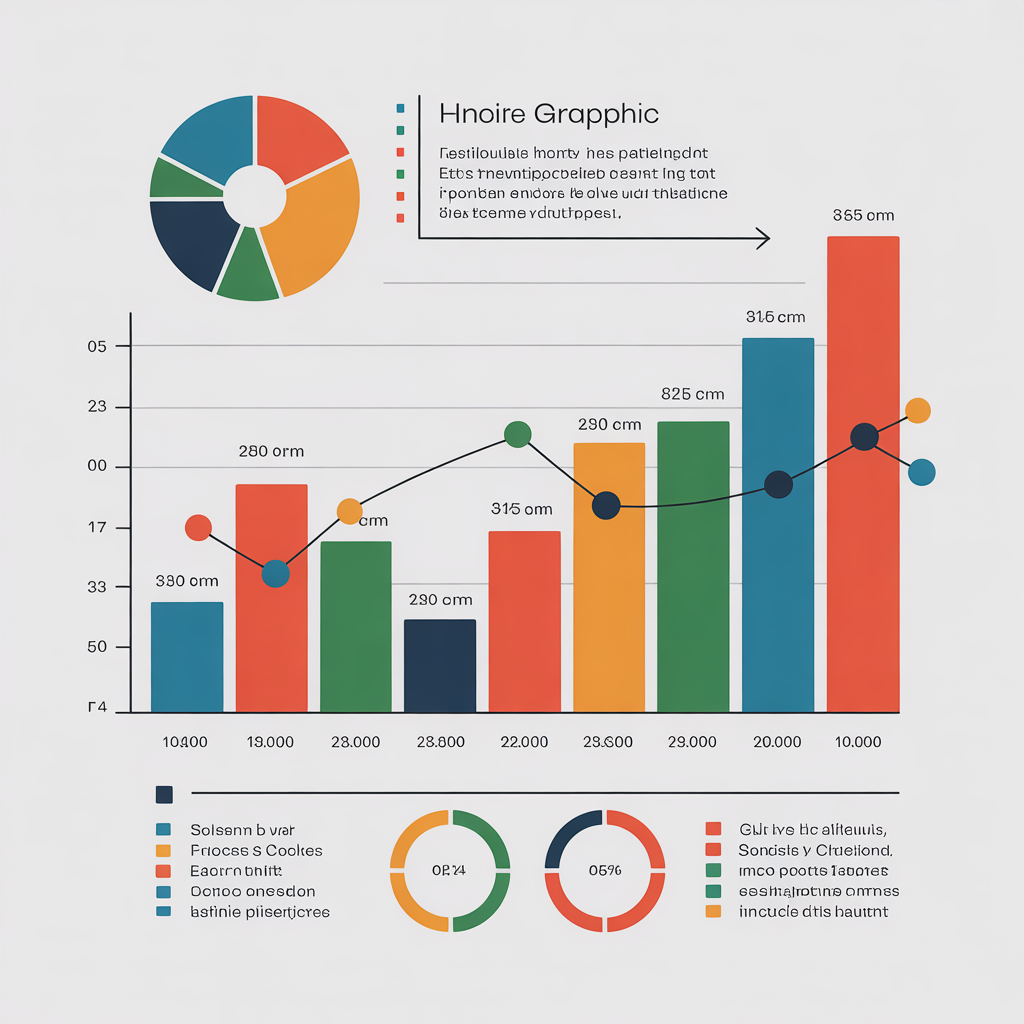
3. Frequency Distribution (The Shape) This is usually a visual thing. It tells you how often different values happen. You might use a histogram or a bar chart to see if most of the data is clustered in the middle or if it leans to one side.
Why It Is Different From Inferential Statistics Students often confuse the two. Here is the easiest way to remember the difference. Descriptive Statistics only talks about the data you actually have. It states facts. Inferential Statistics tries to guess things about data you do not have. It makes predictions.
If you survey your class, descriptive stats tells you what your class thinks. Inferential stats uses that survey to guess what the whole school thinks.
Descriptive statistics is the foundation of data analysis. It allows you to take a massive amount of information and simplify it into understandable numbers like the mean, median, and mode. It is about clarity, not prediction.
Frequently Asked Questions
Is a chart considered descriptive statistics? Yes. Any graph, chart, or table that summarizes data is a form of descriptive statistics. It helps visuals trends that are hard to see in raw numbers.
Can I use this for small datasets? Absolutely. Whether you have five numbers or five million, the methods are the same. It helps you find the story behind the data regardless of size.
What is the most common measure used? The mean (average) is the most popular, but the median is often better if your data has extreme outliers that might skew the results.
Now that you know how to summarize data, you need to understand the variables. Read our guide on Parameter In Statistics to learn about the numbers that describe entire populations.